driving in iceland (12)
Halló visitor.
I’m on the plane to Newark right now. I’ve purchased in-flight WiFi for 24€, so I won’t be bored on the way back. But I think now is a good time to discuss my experience driving in Iceland; it’s so different from the US and constituted so much of my trip that I want to make a completely separate post about it. Driving in Iceland is quite strange in some ways, and very different in a Renault Kangoo van with only ~100-130 horsepower.
The Renault was very adequate, actually. Icelandic roads are small and thin, and the speed limits are low. I was expecting the van to have 220-230 horsepower because of how adequate the speed was, so I was quite shocked when I googled the actual numbers. But it kind of makes sense if you think about it. Passing in the Kangoo at 100 km/h (60 mph) or more is absolutely terrifying. It feels like your van is about to blow away or you’re going to drive off a cliff. The fastest I ever got in Iceland was 130 km/h (~80 mph) and it did not feel safe in the slightest.
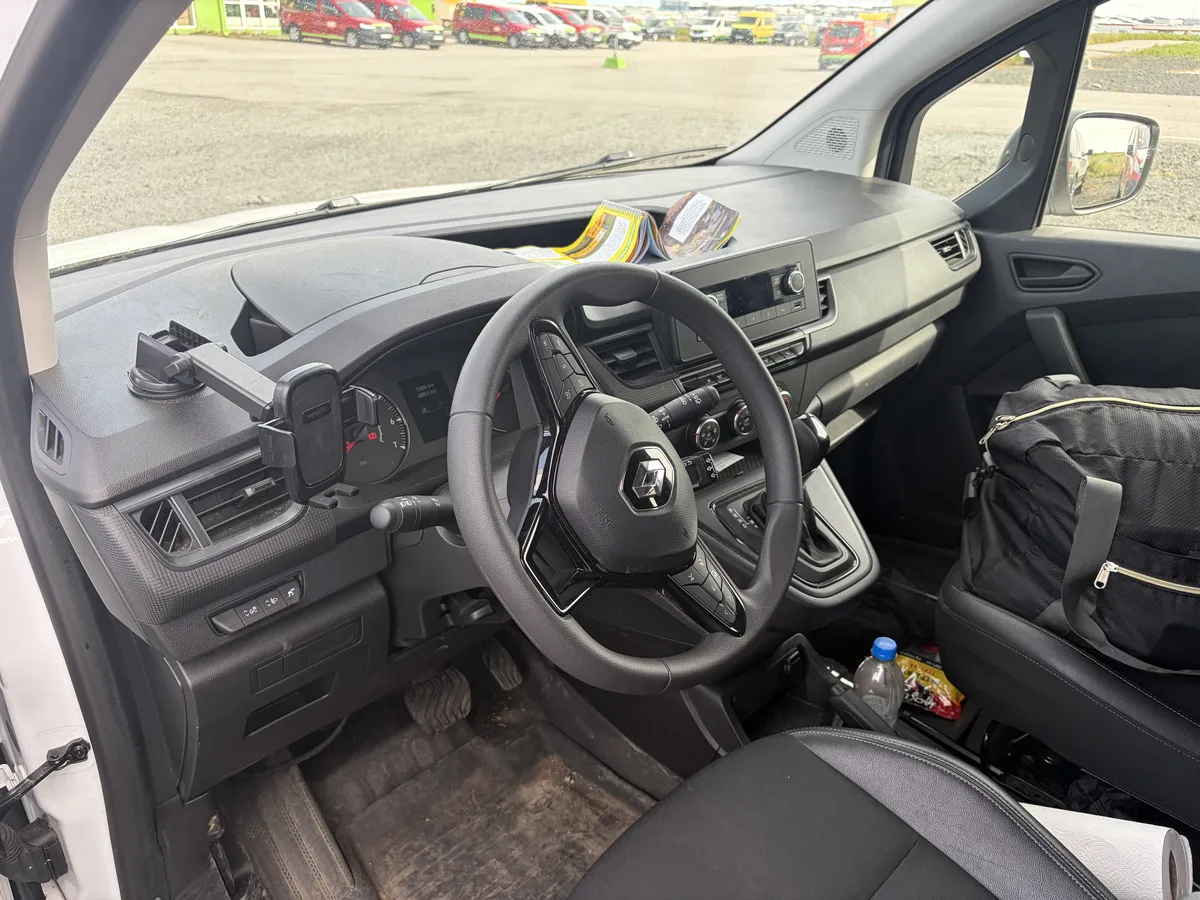 Pictured: The interior of the Kangoo. The ergonomics and design are a good deal better than my mom's Audi Q5, to be honest.
But the Renault is an absolute riot to drive. It has three modes: performance, normal, and eco. They are self-explanatory. Pushing the van in performance mode around the small Icelandic roads is incredibly fun; it does not feel too slow for even a second. It has a sweet turbo that you can hear every time you accelerate, and a blowoff valve that delivers a very satisfying clap. When the turbo kicks in, the front wheels get a bit drifty, which is way too much fun. It feels more like driving a motorcycle or something rather than a boring commuter car.
Reykjavik is a much easier city to drive and park in than, say, New York. The roundabouts aren’t very difficult to master and you kind of get why the rules are what they are after a bit. Other people drive pretty well and I have no complaints here.
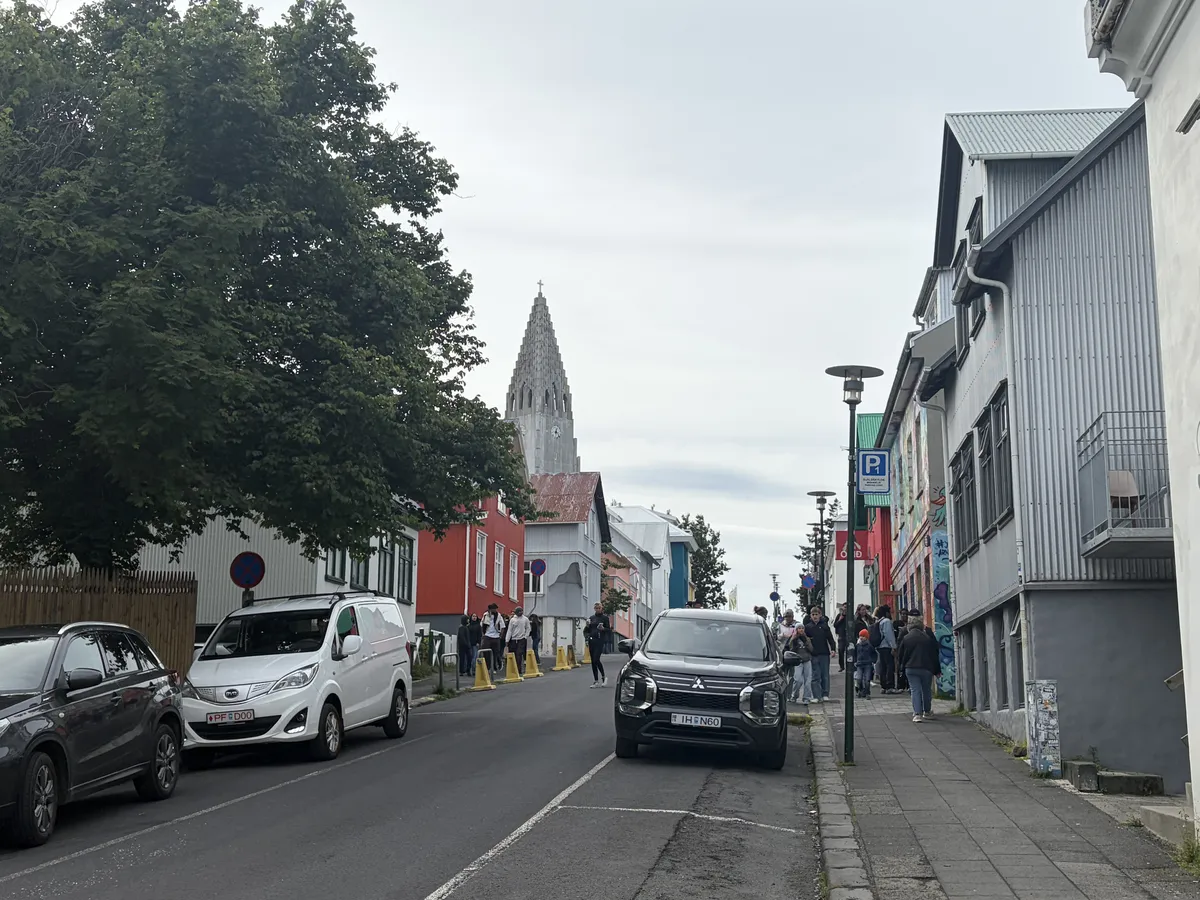 Pictured: Reykjavik. Lovely city, easy driving.
The rest of Iceland is a bit of a different story. The ring road is really well paved, but it definitely gets somewhat scary in the mountainous area. You’re going around the side of a mountain with no guardrail in a tiny Renault, and the wind of every passing truck or big car shakes your steering pretty bad. There is also nowhere and i mean nowhere to U-turn in Iceland. When I got stuck in the gravel around Hverir, I was trying to make a U-turn in unpaved gravel; there was nowhere else within 50 miles.
Anywhere even a little off the ring road gets quite scary. The roads can be anywhere from slightly unpaved to pure rocky gravel, and wifi, service, amenities, and bathrooms are only optional. And I’m not talking about random places, I’m talking about some of the tried and true roads that go to popular places like Egilsstaðir. That one had nothing and no one for about 30-40 miles. Yeesh!
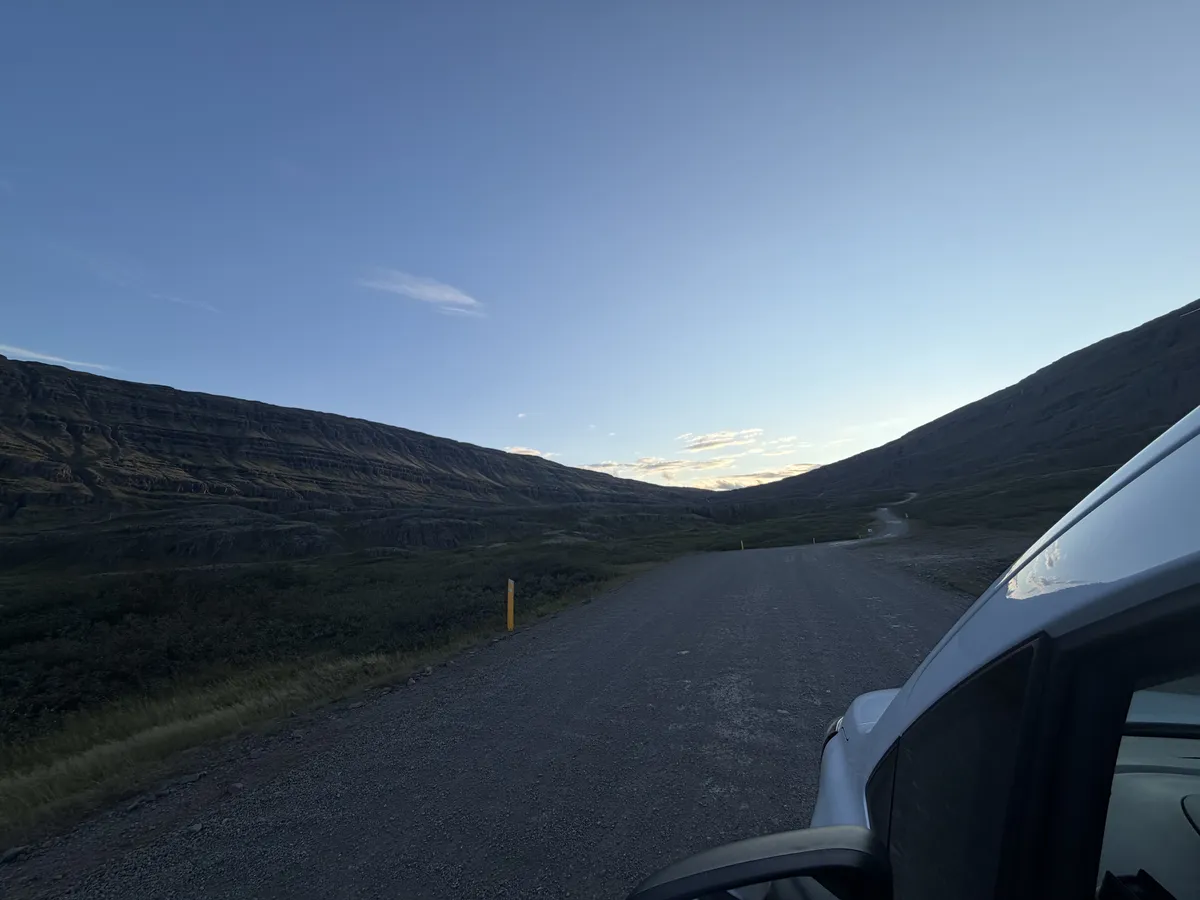 Pictured: Road on the way to Egilsstaðir. Barren gravel; scarier than it looks on camera.
I’m a New Jerseyan, and if you didn’t know, it’s actually illegal to pump your own gas in NJ. Learning how to pump gas wasn’t very difficult. The difficult part of getting gas in Iceland is finding a station outside of Reykjavik. Sometimes, you’ll go, like, 35-50 minutes of driving without being near one. There’s also no 24/7 stores at gas stations like you might find in America. If you want food or necessities past 9 PM on your trip and you're outside Reykjavik, you’re probably shit out of luck.
The highest speed limit I saw is 90 km/h (54 mph) on the highway. People don’t really go over 120 km/h (outliers do exist, though). I only saw 3 police cars on my trip, so you’re not getting speeding tickets on the highway. Pay for your parking, though, and don’t speed around cameras or in tunnels. I had to pay 37€ for the 3 parking/tunnel tickets I accrued over my trip.
Roadside assistance in Iceland costs around the range of $200-1200 depending on where you are. So knowing how to change a tire, and actually having a spare tire in your car, is absolutely crucial. I happened to have passerby be nice enough to change my tire both times I got a flat. You might not be so lucky, so Google how to change a tire before you go to Iceland.
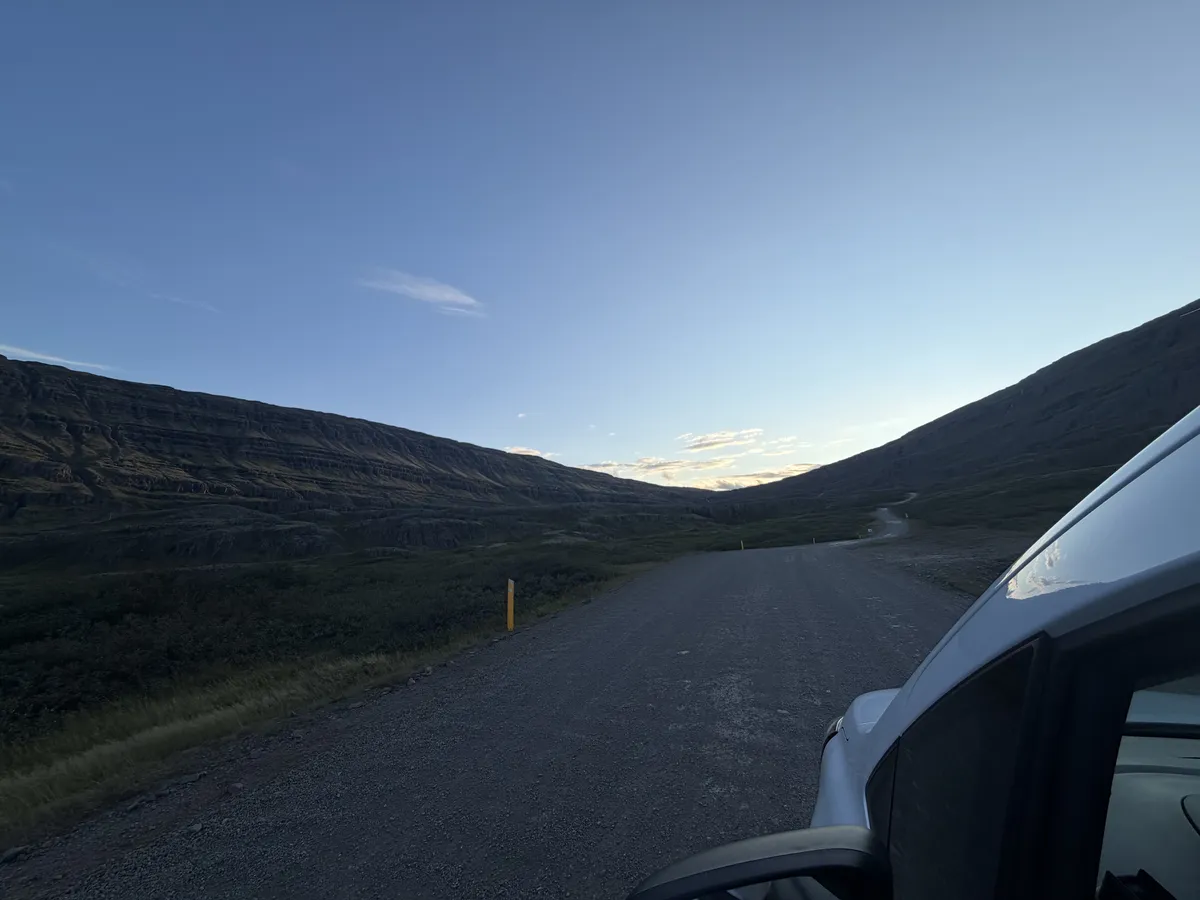 Pictured: The second flat.
Overall, driving in Iceland is extremely fun and rewarding if you’re well-equipped with some knowledge, a good vehicle, and tires. My 2 cents is that getting a 2WD vehicle in Iceland just isn’t worth it. A 4WD allows you much more freedom and costs around 40€ more per day; well worth it, in my opinion. Keep that in mind for your trip. Goodbye!
Bless bless,
Ayaan